Table of Contents
- California Home Selling
- Which Areas in California Offer the Best Return on Investment and Are Easiest for Residential Property Development?
- What Home Styles, Sizes, and Features Tend to Sell Fastest in the California Market?
- What Should Home Sellers Know About Zoning Laws, Permits, and Regulatory Requirements in California?
- Which Towns or Cities in California Are the Easiest, and Hardest, When It Comes to Navigating Real Estate Regulations?
- What Are the Most Effective Flipping and Resale Strategies for Maximizing Profit in California's Housing Market?
- How Should Sellers Price Their Homes to Attract Buyers While Maximizing Value in California?
- Which Key Economic, Social, and Regulatory Factors Are Driving Current Trends in California's Local Property Markets?
California Home Selling

California's housing market consistently ranks among the most expensive and competitive in the United States. The median home sale price in the state hovers around $850,000, roughly twice the national median and substantially higher than in neighboring states like Nevada and Arizona, where median prices typically fall below $470,000.
Despite high prices, real estate activity remains strong across the state. California regularly sees an average of over 24,000 homes sold per month, a figure that remains robust compared to similarly populous states. Homes also tend to take longer to sell, with the average days on market (DOM) estimated at 56 days, considerably higher than the national average of about 40 days.
Supply remains a critical issue across the state. California issues fewer new residential building permits per capita than high-growth states like Texas and Florida. On average, the state approves around 2,600 permits per one million residents, well below the permitting rates needed to meet its population's housing demand. This ongoing construction lag continues to drive up home prices, especially in urban and coastal areas.
In terms of property taxes, California maintains a relatively low effective tax rate of approximately 0.70%, compared to the national average of about 1.1%. However, the high home values in the state mean that annual tax bills remain steep, averaging over $5,000 and putting it among the highest in the U.S.
The state also experiences relatively low foreclosure activity compared to the national average. While the national foreclosure rate often trends around 1 in 1,200 homes, California's rate is typically closer to 1 in 3,500 units. Still, thousands of properties across counties like San Bernardino, Riverside, and Kern enter foreclosure proceedings each quarter, especially in economically vulnerable areas.
Which Areas in California Offer the Best Return on Investment and Are Easiest for Residential Property Development?
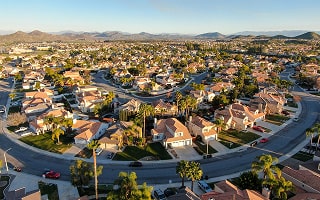
California offers various opportunities for those looking to purchase investment properties. Its booming economy, multicultural communities, and aesthetic landscapes make it attractive to new and seasoned property investors. However, knowing where to invest can help investors maximize ROI and promote sustainable growth in their property values.
The following locations in California offer strong ROI potential and favorable conditions for residential property development:
- Palo Alto/Los Altos (Silicon Valley): Silicon Valley remains one of California's most profitable real estate markets. Fueled by demand from workers in AI and biotech, homes in Palo Alto and Los Altos regularly appreciate at double-digit rates year over year, and properties often sell in under two weeks.
- Mountain House (San Joaquin County): A master-planned community in San Joaquin County, Mountain House has seen home values increase by over 70% since 2020. With lower prices than the Bay Area, easy access to job centers via I-580, and an expanding infrastructure that includes new schools and retail, Mountain House offers investors buyers a more palatable entry point.
- San Diego Metro Area: San Diego consistently ranks among the most robust housing markets in California. It was recently named one of Zillow's "Top 20 Hottest Markets", supported by steady job growth in biotech, defense, and tourism.
- Fresno: Fresno offers one of California's best ROI profiles for rental property investors. With median home prices around $409,000 and average rents near $2,000 per month, it delivers strong cash flow in a market with low vacancy rates and consistent in-migration. The city's growing logistics and healthcare sectors support the upward trajectory of its property market.
- Bakersfield: With median home prices below $400,000 and low property tax rates, Bakersfield is ideal for value-seeking investors. The area benefits from a strong rental market, demand from oil and agricultural workers, and affordable land. It's especially well suited for build-to-rent projects and entry-level housing.
- Thousand Palms: Located in Riverside County, Thousand Palms saw nearly 58% appreciation between 2019 and 2024, largely due to rapid population growth, retirement migration, and low median home prices. It's also less regulated than coastal metros, making it easier for developers to secure permits.
- Echo Park: This neighborhood is one of Los Angeles' most attractive spots for mid-scale residential investment. Echo Park features a mix of historic homes, duplexes, and small multifamily properties, many of which appreciate quickly due to the area's reputation for arts and its proximity to the downtown. The median home price in Echo Park is $1.2 million, while average rents for a one-bedroom apartment hover around $2,500.
- Mission District: San Francisco's Mission District combines historic charm with high-density urban energy. Its limited inventory, high rents, and cultural appeal keep prices elevated. While development may be complex due to zoning and historic overlays, completed projects see outsized returns due to constrained supply and high demand. The median listing price for properties in Mission District is over $1.3 million.
- Santa Rosa: Santa Rosa and other small cities, such as Merced, Oxnard, and Santa Maria, are seeing a surge in high-income renters, especially post-COVID. Net growth in millionaire tenants in these cities points to rising demand for well-located, affordable housing. As a result, developers and landlords may capitalize on increasing rental yields and modest purchase prices to secure returns.
- Visalia: Visalia, located in California's Central Valley, offers a strong return for investors due to its affordability and tourism appeal. With a median home price of around $437,450, it presents a relatively low entry point compared to coastal cities. As the gateway to Sequoia National Park, the city also attracts a steady flow of tourists focused on outdoor recreation, which supports a healthy short-term rental market.
What Home Styles, Sizes, and Features Tend to Sell Fastest in the California Market?

In California's competitive real estate market, homes sell significantly faster than the national average , typically spending about 58 days on the market compared with the national average of 62 days. In prime metro areas like San Jose, single-family homes move in just 22 days, while properties in San Francisco and San Diego typically take around 30 and 27 days, respectively.
The following types of California properties tend to attract more buyers and sell faster:
-
![]() Bedrooms and Bathrooms: 3- to 4- bedroom, 2-bath single-family homes remain highly desirable for growing families and first-time buyers. These properties offer the right balance of space and affordability, especially in suburban areas like Sacramento, Riverside, and Fresno.
Bedrooms and Bathrooms: 3- to 4- bedroom, 2-bath single-family homes remain highly desirable for growing families and first-time buyers. These properties offer the right balance of space and affordability, especially in suburban areas like Sacramento, Riverside, and Fresno.
-
![]() Size and Lot: Homes around 1,400 to 2,200 square feet that sit on lots around 0.07-0.20 acres usually sell quickly in both urban and suburban markets. These types of properties support comfortable living without excessive maintenance, appealing to middle-income buyers across cities like Bakersfield, Stockton, and Santa Clarita.
Size and Lot: Homes around 1,400 to 2,200 square feet that sit on lots around 0.07-0.20 acres usually sell quickly in both urban and suburban markets. These types of properties support comfortable living without excessive maintenance, appealing to middle-income buyers across cities like Bakersfield, Stockton, and Santa Clarita.
-
![]()
Style:
- Classic Colonial and Cape Cod: Timeless and family friendly; part of the top 50% of listings; appreciated 5.6% year over year.
- Craftsman and modern farmhouses: Their charm, with updated finishes and open layouts, makes them consistently popular.
- Urban condos and townhouses: These properties are in high demand in cities like San Diego, Los Angeles, and San Francisco, where space comes at a premium.
- Victorian cottages and ranch-style homes: These offer character and affordability, benefiting from the broader popularity of traditional, modest styles.
-
![]()
Modern Upgrades: Across California, homes selling fast share similar modern enhancements, such as:
- Open-concept kitchens with islands, which remain a top priority for buyers and an important driver of quick sales.
- Energy-efficient appliances and systems (HVAC, windows, insulation) that align with California's energy standards and buyer expectations.
- Neutral, fresh paint and clean aesthetic appeal, which helps buyers visualize moving in quickly.
- Updated bathrooms: Mid-range renovations in bathrooms significantly trim time on market.
- Strong curb appeal: Landscaped yards, clean entryways, and welcoming façades are essential, especially in suburban neighborhoods.


What Should Home Sellers Know About Zoning Laws, Permits, and Regulatory Requirements in California?

Home sellers and developers in California must be well informed about local zoning laws, permit requirements, and regulatory procedures that may directly impact a property's marketability and value. Being aware of these laws and requirements is key to maximizing return on investment and avoiding delays during a sale. Buyer requests for zoning compliance letters are increasingly common. These letters help ensure the property adheres to local codes and is free from use violations or unpermitted work. Sellers who can't provide these documents risk losing negotiating power or seeing deals fall through.
Zoning strictness and procedural complexity in California can vary significantly by jurisdiction. For example, Los Angeles County enforces detailed residential zoning codes that regulate everything from density to the number of accessory dwelling units (ADUs) allowed on a lot. Community plans and overlay zones may further restrict use and design, making permit navigation more complex.
In contrast, rural and semi-rural jurisdictions like Tulare County, Kings County, and parts of San Joaquin County offer far more flexible zoning regulations. These areas tend to streamline development approvals, especially for single-family homes and ADUs, often using form-based or general residential zoning classifications that simplify the process.
In some urban areas, securing a special permit or zoning adjustment may require a public hearing and formal approval from the zoning board. For instance, in Los Angeles, many non-standard property uses, such as home-based daycares or duplex conversions, require a Conditional Use Permit (CUP) that involves notifying neighbors and receiving feedback in a planning commission meeting.
Another critical factor is the Certificate of Occupancy (CofO), which is mandatory in many jurisdictions before a home can legally be occupied or resold after major renovations. Cities like Oakland, South Gate, and Rancho Palos Verdes require final inspections and official CofO issuance for new construction, added units, and significant remodels.
In certain parts of the state, historic preservation laws also play a substantial role. In San Francisco, homes located in Article 10 Historic Districts, including many well-known Victorian homes, require a Certificate of Appropriateness (COA) before any external alterations are made, including changes to paint color or window design.
Which Towns or Cities in California Are the Easiest, and Hardest, When It Comes to Navigating Real Estate Regulations?

California's assortment of local regulations means that sellers and developers should confirm zoning, permitting, and compliance requirements before a sale or purchase. Understanding these rules can help investors avoid fines and delays, in addition to preserving and maximizing property value.
Development-Friendly Areas

- Sacramento (Sacramento County): Embraced SB 35 streamlined approvals and ministerial housing permits, cutting public-hearing delays for projects that meet local housing-element goals.
- Riverside County (Inland Empire): Offers clear standards for ADUs and by-right multifamily under state housing laws, minimizing discretionary review.
- San Bernardino County: Implements state-mandated SB 35 by-right housing approvals and ministerial ADU permits, reducing the need for zoning board hearings.
- Fresno (Fresno County): Relies on objective development guidelines and limited design review thresholds, speeding up entitlements for single-family and small multifamily projects.
- Elk Grove (Sacramento County): Actively markets itself as pro-housing; preapproved plan check submittals for ADUs and clear pathways for infill subdivisions.
Moderately Regulated Areas

- Los Angeles County: Balances robust design review and discretionary hearings with recent ministerial ADU reforms and California Environmental Quality Act (CEQA) streamlining for infill housing.
- San Diego (San Diego County): Coastal zone projects face California Coastal Commission standards, but local code streamlining for mid-rise condos and ADUs keeps timelines reasonable.
- Orange County: Maintains specific overlay zones, such as coastal and historic districts, which require design review, but adopted SB 9 and SB 35 ordinances for duplexes and small-lot splits.
- San Joaquin County: The planning commission can approve or deny variances but follows clear review schedules and time limits under the Permit Streamlining Act.
- Santa Clara County (Silicon Valley suburbs): Requires conditional use permits in many districts, but has adopted clear timelines and infill-exemption processes to expedite qualifying housing.
Highly Restrictive or Bureaucratic Areas
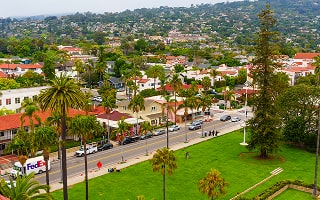
- San Francisco: Over 75% single-family zoning, extensive design and neighborhood notification reviews, and historic preservation overlays lead to multi-month entitlement processes.
- Berkeley: A Landmarks Preservation Commission reviews nearly all exterior changes in historic districts, enforcing tight material and style guidelines.
- Marin County: Strong community oversight, catch-all "planned district" zoning, and required environmental impact reports under the CEQA for most residential additions.
- Santa Barbara: Dual Architectural Board of Review and Historic Landmarks Commission approvals, plus mandatory community-member hearings for façade or landscape changes.
- Malibu: Coastal Act appeal rights, stringent bluff setback requirements, and frequent public hearing "de minimis" determinations can turn even small remodels into protracted processes.
Regulatory Climate Factors to Watch

Considering the highly localized regulatory environment in California, what may be a straightforward flip in one municipality may be difficult to achieve in another area of the state. Understanding local conditions is essential for home sellers, investors, and developers, as they can significantly affect property development, renovations, and real estate investment outcomes.
Below is an overview of key regulatory factors that shape real estate activity in California, along with the regions where each condition is common:
| Factor | Impact on Development | Where It's Found |
|---|---|---|
| Zoning Flexibility | Determines how easily land can be used or repurposed for residential/mixed use | Tulare County, San Joaquin County, parts of Fresno; urban infill zones in San Diego |
| Historic Preservation Laws | Adds layers of approval, limits design freedom, and can delay construction timelines | San Francisco (such as Mission and Castro), San Jose, and Julian (San Diego County) |
| Wetlands/Conservation | Restricts or prohibits development on protected land and increases permitting hurdles | Big Sur (Monterey County), Humboldt County, parts of Marin and Santa Cruz Counties |
| Inclusionary Zoning | Requires developers to include affordable units or pay in-lieu fees | San Francisco, Los Angeles, Oakland, Pasadena, and Berkeley |
| Building Code Enforcement | Affects approval speed and cost; stricter enforcement increases timelines | Los Angeles, San Diego, San Jose, and Oakland |
| Local Politics/NIMBYism* | May result in project rejections, long appeals, or restrictive zoning changes | Atherton, Marin County, La Cañada Flintridge, and Huntington Beach |
*NIMBYism - Not in My Backyard
What Are the Most Effective Flipping and Resale Strategies for Maximizing Profit in California's Housing Market?

Successfully flipping homes in California relies heavily on choosing the right approach for the market where the property is located. With rising inventory in some areas and persistent demand in others, investors must adapt their resale strategies to the state's diverse real estate climate. From high-priced coastal metros like Los Angeles and San Francisco to fast-growing inland regions such as Fresno and Sacramento, each location presents unique opportunities and challenges. Investors can consider using these strategies to help identify potential opportunities and potentially achieve a healthy ROI.
-
![]() Target Distressed or Foreclosed Homes: This strategy works best in markets where distressed and bank-owned properties are more common, such as Los Angeles, the San Francisco Bay Area, Sacramento, and Fresno. By searching for foreclosures and handyman specials, you may enjoy a higher ROI when you sell.
Target Distressed or Foreclosed Homes: This strategy works best in markets where distressed and bank-owned properties are more common, such as Los Angeles, the San Francisco Bay Area, Sacramento, and Fresno. By searching for foreclosures and handyman specials, you may enjoy a higher ROI when you sell.
-
![]() Wholetailing for Speed: Quick cosmetic touch-ups such as paint, staging, and light landscaping, combined with aggressive pricing, can help close deals in 60 days or less in fast-moving markets such as Fresno, Bakersfield, and the suburbs of Sacramento. This strategy may be ideal for investors who want to invest less capital and generate a faster return.
Wholetailing for Speed: Quick cosmetic touch-ups such as paint, staging, and light landscaping, combined with aggressive pricing, can help close deals in 60 days or less in fast-moving markets such as Fresno, Bakersfield, and the suburbs of Sacramento. This strategy may be ideal for investors who want to invest less capital and generate a faster return.
-
![]() Buy, Rehab, Rent, Refinance, Repeat (BRRRR): With markets like Sacramento, Stockton, Fresno, Riverside, and San Bernardino showing healthy rent-to-price ratios (6%-9% yields) and strong demand, BRRRR becomes an attractive strategy, especially when refinancing helps free up capital for additional investments.
Buy, Rehab, Rent, Refinance, Repeat (BRRRR): With markets like Sacramento, Stockton, Fresno, Riverside, and San Bernardino showing healthy rent-to-price ratios (6%-9% yields) and strong demand, BRRRR becomes an attractive strategy, especially when refinancing helps free up capital for additional investments.
-
![]() Value-Add Flips via Expansion: Zoning in regions such as Bay Area suburbs and the Sacramento-Stockton corridor sometimes allows accessory units or expansions. In areas where this is an option, adding bedrooms or converting single-family homes into duplexes under California's SB 9 increases both after-repair value (ARV) and monthly cash flow, which can spur long-term value creation.
Value-Add Flips via Expansion: Zoning in regions such as Bay Area suburbs and the Sacramento-Stockton corridor sometimes allows accessory units or expansions. In areas where this is an option, adding bedrooms or converting single-family homes into duplexes under California's SB 9 increases both after-repair value (ARV) and monthly cash flow, which can spur long-term value creation.
-
![]() Creative and Seller Financing: When sellers are equity rich but cash poor, methods like carrying notes or negotiating lease options may unlock deals where traditional lenders are limited. This strategy is ideal in high-priced markets such as Los Angeles, San Diego, and Orange County.
Creative and Seller Financing: When sellers are equity rich but cash poor, methods like carrying notes or negotiating lease options may unlock deals where traditional lenders are limited. This strategy is ideal in high-priced markets such as Los Angeles, San Diego, and Orange County.
-
![]() Staging and Strategic Pricing: Although this strategy is universally applicable, it's especially useful in markets such as Los Angeles, San Diego, the Bay Area, and coastal markets (Anaheim, Oxnard). Professional staging transforms interiors into aspirational, move-in ready homes, highlighting key rooms, maximizing indoor-outdoor flow, and incorporating local design touches to boost perceived value and accelerate sales speed.
Staging and Strategic Pricing: Although this strategy is universally applicable, it's especially useful in markets such as Los Angeles, San Diego, the Bay Area, and coastal markets (Anaheim, Oxnard). Professional staging transforms interiors into aspirational, move-in ready homes, highlighting key rooms, maximizing indoor-outdoor flow, and incorporating local design touches to boost perceived value and accelerate sales speed.


How Should Sellers Price Their Homes to Attract Buyers While Maximizing Value in California?

Setting the right price is one of the most critical decisions a seller can make in California's diverse and competitive real estate market. Whether selling in a high-demand coastal metro or a quiet inland town, using the right pricing strategy can determine how fast the home sells, and for how much. To achieve the best return, most sellers will benefit from working with a local real estate agent or licensed appraiser to evaluate active, pending, and comparable homes sold within the past 90 days. This data-driven approach ensures that the listing price reflects current market conditions, aligns with buyer expectations, and helps avoid financing or appraisal issues.
Before choosing a pricing strategy, it's important to recognize that California's real estate market isn't one-size-fits-all. Pricing strategies that work in San Francisco may not be ideal for Fresno or Riverside. Below are some of the most effective pricing strategies to help attract buyers and maximize value:
-
![]() Pricing Just Below Market Thresholds: This strategy involves listing a home just under a major price bracket, such as $399,000 instead of $400,000, to increase exposure in online searches and generate more buyer interest. This strategy may be more effective for sellers in mid-tier markets such as Sacramento, Modesto, Riverside, and Bakersfield. These markets attract many first-time or budget-conscious buyers who search using price caps. Listing just below a round number increases the likelihood of appearing in filtered searches and encourages more showings.
Pricing Just Below Market Thresholds: This strategy involves listing a home just under a major price bracket, such as $399,000 instead of $400,000, to increase exposure in online searches and generate more buyer interest. This strategy may be more effective for sellers in mid-tier markets such as Sacramento, Modesto, Riverside, and Bakersfield. These markets attract many first-time or budget-conscious buyers who search using price caps. Listing just below a round number increases the likelihood of appearing in filtered searches and encourages more showings.
-
![]() Charm Pricing (Psychological Pricing): Charm pricing involves using numbers ending in "9", such as $499,999, to create the impression of a significantly lower cost. In suburban and value-oriented markets such as Fresno, Visalia, Stockton, and Inland Empire suburbs, psychological pricing helps create a sense of affordability and urgency, especially among younger or first-time buyers comparing multiple listings in the same price range.
Charm Pricing (Psychological Pricing): Charm pricing involves using numbers ending in "9", such as $499,999, to create the impression of a significantly lower cost. In suburban and value-oriented markets such as Fresno, Visalia, Stockton, and Inland Empire suburbs, psychological pricing helps create a sense of affordability and urgency, especially among younger or first-time buyers comparing multiple listings in the same price range.
-
![]() Pricing to Create a Bidding War: By intentionally listing a home slightly below its market value, sellers may spark competition among buyers, often leading to multiple offers and a final sale price above the asking price. In seller-dominated markets with limited inventory and strong school districts, such as San Francisco, San Jose, Irvine, Pasadena, and Manhattan Beach, underpricing creates urgency and emotional competition, helping sellers net more.
Pricing to Create a Bidding War: By intentionally listing a home slightly below its market value, sellers may spark competition among buyers, often leading to multiple offers and a final sale price above the asking price. In seller-dominated markets with limited inventory and strong school districts, such as San Francisco, San Jose, Irvine, Pasadena, and Manhattan Beach, underpricing creates urgency and emotional competition, helping sellers net more.
-
![]() High-Anchor Pricing (Test the Waters): This method involves listing a home at the high end of the market range to leave room for negotiation while still attracting serious buyers. This strategy works best for luxury or unique homes lacking many comparable listings, such as those in Beverly Hills, Malibu, Napa, Santa Barbara, and La Jolla. These properties attract buyers willing to negotiate, especially when the home's value is perceived as rare or exceptional.
High-Anchor Pricing (Test the Waters): This method involves listing a home at the high end of the market range to leave room for negotiation while still attracting serious buyers. This strategy works best for luxury or unique homes lacking many comparable listings, such as those in Beverly Hills, Malibu, Napa, Santa Barbara, and La Jolla. These properties attract buyers willing to negotiate, especially when the home's value is perceived as rare or exceptional.
-
![]() Price-Per-Square-Foot Benchmarking: In subdivisions or condo developments where layouts and features are similar, pricing based on square footage offers transparency and helps position the home competitively. For example, in Valencia, Chula Vista, Irvine master-planned communities, and Roseville, buyers often compare homes based on price per square foot. Aligning with or slightly undercutting this benchmark helps a property stand out while still justifying its price.
Price-Per-Square-Foot Benchmarking: In subdivisions or condo developments where layouts and features are similar, pricing based on square footage offers transparency and helps position the home competitively. For example, in Valencia, Chula Vista, Irvine master-planned communities, and Roseville, buyers often compare homes based on price per square foot. Aligning with or slightly undercutting this benchmark helps a property stand out while still justifying its price.
-
![]() Appraisal-Backed Pricing: Setting the price close to the expected appraised value ensures smoother financing, especially when targeting buyers using government-backed loans. In areas that attract FHA and VA buyers, such as Fresno, Elk Grove, Fontana, Lancaster, and Moreno Valley, pricing near the appraisal value helps accelerate closing and prevent deals from falling through due to appraisal gaps.
Appraisal-Backed Pricing: Setting the price close to the expected appraised value ensures smoother financing, especially when targeting buyers using government-backed loans. In areas that attract FHA and VA buyers, such as Fresno, Elk Grove, Fontana, Lancaster, and Moreno Valley, pricing near the appraisal value helps accelerate closing and prevent deals from falling through due to appraisal gaps.
-
![]() Net-to-Seller Pricing: Rather than focusing solely on market comps, this strategy calculates the amount the seller wants to walk away with after subtracting fees, taxes, and closing costs. The list price is then adjusted accordingly. Sellers who are downsizing, relocating, or managing tight financial goals in locations such as Santa Clarita, Merced, Modesto, and Oxnard benefit from this outcome-focused approach.
Net-to-Seller Pricing: Rather than focusing solely on market comps, this strategy calculates the amount the seller wants to walk away with after subtracting fees, taxes, and closing costs. The list price is then adjusted accordingly. Sellers who are downsizing, relocating, or managing tight financial goals in locations such as Santa Clarita, Merced, Modesto, and Oxnard benefit from this outcome-focused approach.
-
![]() Urgency Pricing (Motivated Seller Strategy): Aggressively pricing a property below market value helps draw quick interest, which is useful when the seller is under time pressure. This strategy is common in estate sales, divorces, or pre-foreclosures, since it helps attract immediate offers and shorten time on the market, potentially leading to fast, all-cash deals.
Urgency Pricing (Motivated Seller Strategy): Aggressively pricing a property below market value helps draw quick interest, which is useful when the seller is under time pressure. This strategy is common in estate sales, divorces, or pre-foreclosures, since it helps attract immediate offers and shorten time on the market, potentially leading to fast, all-cash deals.


The table below shows some of the most effective pricing strategies home sellers and investors in California can use to maximize value, along with the optimal strategy for each market condition. Since market dynamics vary widely across the state, choosing the right pricing method depends not only on the property's features but also on local buyer behavior, demand levels, and financing trends.
| Market Condition | Best Strategy |
|---|---|
| Seller's Market | Underpricing to spark a bidding war |
| Buyer's Market | Charm pricing or net-to-seller |
| Unique, luxury home | High-anchor with value justification |
| Entry-level home | Just-below threshold pricing |
| Urgent sale needed | Aggressive urgency pricing |
| Flipper or investor listing | Appraisal-backed or price-per-square-foot benchmarking |
Which Key Economic, Social, and Regulatory Factors Are Driving Current Trends in California's Local Property Markets?

California's real estate landscape is shaped by a wide range of interconnected economic, social, legal, and infrastructural factors. With the state's housing crisis persisting despite legislative reforms and shifts in market behavior, property sellers, investors, and developers must understand the factors driving local property market trends.
![]() Economic Factors
Economic Factors
 Economic Factors
Employment opportunities and wage trends influence a buyer's ability to qualify for a mortgage and maintain ownership, while the presence or lack of construction activity directly impacts housing supply and affordability. Although California's GDP per capita, driven by tech, real estate, and healthcare sectors, consistently outpaces the U.S. average, real wage growth has not kept pace with inflation or housing costs. California homes are priced at approximately 2 to 2.5 times the national median, largely due to tight inventory, slow wage growth, and rising costs of living. Additionally, in cities like San Jose and San Francisco, housing permits have dropped nearly 50% since 2019, driven by high building costs, stricter codes, and labor shortages.
![]() Demographic and Social Factors
Demographic and Social Factors
 Demographic and Social Factors
Migration trends, urban-to-suburban shifts, and California's aging population shape both the type and location of housing in demand. For instance, the state has seen a net outflow of residents to Texas, Arizona, and other states due to affordability and tax pressure. Remote work has also boosted housing demand in inland and suburban markets such as Riverside, Fresno, and Sacramento, where there's more available space and properties are more affordable. The state's aging population is increasing demand for smaller, accessible homes along the coast, while younger families are moving inland in search of space and affordability.
![]() Regulatory and Legal Framework
Regulatory and Legal Framework
 Regulatory and Legal Framework
Zoning laws, land-use restrictions, and rent control policies shape both supply and investment returns. For example, more than 95% of California's residential land is zoned for single-family use, severely limiting the development of higher-density housing. This contributes to the chronic shortage of affordable homes. To combat local resistance to increased density, California's SB 9 allows lot splits and duplexes by right, and SB 35 accelerates permitting for qualifying infill projects. However, local pushback and implementation delays limit their impact. In addition, jurisdictions such as San Francisco, Los Angeles, and Oakland have strict rent control laws, which may deter buy-and-hold investors or reduce the profitability of long-term rental developments.
![]() Taxation and Fiscal Policy
Taxation and Fiscal Policy
 Taxation and Fiscal Policy
Tax policies in California affect both the cost of buying and holding real estate, as well as investment decisions. The state's top income tax rate is 13.3%, the highest in the U.S., creating a burden for sellers and reducing net returns for investors. In addition, property tax limits and caps on increases (outlined in Proposition 13) discourage property turnover, reducing municipal revenue.
However, tools like Opportunity Zones and 1031 Exchanges offer capital gains deferrals and tax breaks, making cities like Fresno and Stockton appealing to investors seeking affordability and long-term growth.
![]() Housing Policy and Government Programs
Housing Policy and Government Programs
California housing policies increasingly aim to loosen development constraints and improve affordability, though local resistance often limits implementation. For instance, AB 2011, known as the Affordable Housing and High Road Jobs Act, allows mixed-income and affordable housing by right in commercial zones, bypassing lengthy CEQA reviews while imposing labor standards. In addition, SB 10 permits local governments to zone parcels near transit hubs for up to 10 residential units, encouraging infill development and transit-oriented housing.
![]() Infrastructure and Development Trends
Infrastructure and Development Trends
 Infrastructure and Development Trends
Cities like San Diego and Sacramento are promoting dense, walkable neighborhoods around transit hubs by removing parking minimums and incentivizing mixed-use buildings. Development trends like this affect housing accessibility, land value, and the potential for sustainable urban growth in the areas.
Also, in wildfire-prone regions such as Napa, Altadena, and Sonoma, new housing must comply with stricter safety and land-use codes, raising costs but improving long-term stability.
![]() Market Sentiment and Investor Behavior
Market Sentiment and Investor Behavior
 Market Sentiment and Investor Behavior
High entry costs and shrinking margins have reduced investor activity in places like San Francisco and Santa Monica, especially amid higher interest rates. Many investors are shifting to inland cities such as Bakersfield, Fresno, and Sacramento, which offer more affordable housing, higher rental yields, and fewer regulatory hurdles.
Despite recent headwinds, California's housing market remains one of the most dynamic and demanding in the United States. From coastal cities with steep entry costs to inland metros offering high rental yields and development flexibility, the state presents a wide spectrum of opportunities and challenges for sellers, investors, and developers. Successfully navigating this landscape requires a solid grasp of local zoning laws, pricing strategies, and market trends, as well as a healthy understanding of shifting economic, demographic, and policy factors. Whether your goal is to flip, rent, develop, or sell, aligning your approach with the realities of each region can help maximize value and minimize risk in California's ever-evolving real estate market.
Table of Contents
- California Home Selling
- Which Areas in California Offer the Best Return on Investment and Are Easiest for Residential Property Development?
- What Home Styles, Sizes, and Features Tend to Sell Fastest in the California Market?
- What Should Home Sellers Know About Zoning Laws, Permits, and Regulatory Requirements in California?
- Which Towns or Cities in California Are the Easiest, and Hardest, When It Comes to Navigating Real Estate Regulations?
- What Are the Most Effective Flipping and Resale Strategies for Maximizing Profit in California's Housing Market?
- How Should Sellers Price Their Homes to Attract Buyers While Maximizing Value in California?
- Which Key Economic, Social, and Regulatory Factors Are Driving Current Trends in California's Local Property Markets?